
I was very young when I learned to spend some time alone and enjoy my own company. Back then, I had no idea that one day these things would need to be taught through books, blogs, vlogs, and Instagram posts to our children.
It wasn’t that I was an introvert. I was a very social, talkative girl, one of the most popular students in my school and college. Most people considered me the most beautiful, smartest, and most arrogant girl in the institution, and many longed for my friendship. I made friends at my will, whenever I wanted, and left them whenever I wished. With such popularity, of course, my ego was bound to inflate.
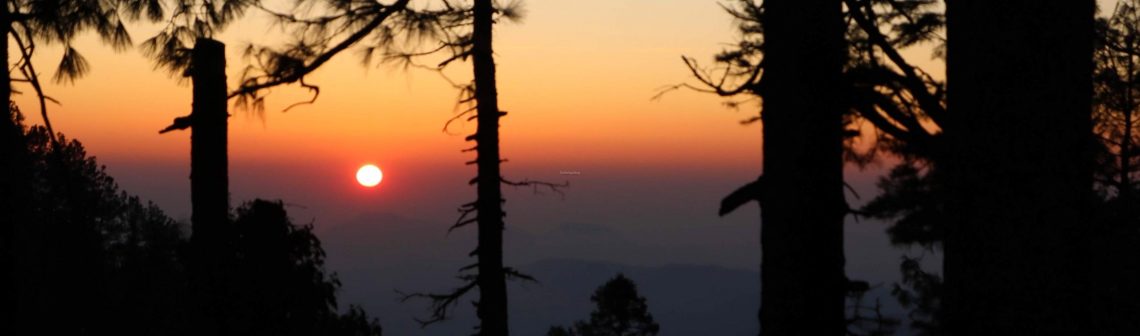
Yet, even then, I found it beautiful to spend some quiet time with the moon and stars at night—dark nights, a shining moon, twinkling stars, a cool breeze, silence, and me with my thoughts and emotions.
I was thirteen or fourteen years old, a schoolgirl, when I developed the habit of going to the rooftop of my father’s house every evening. The roof was spacious and clean, with some outdoor chairs and a table to sit on, and enough open space for walking. Since there were no adjoining walls from neighboring houses, security was never a concern. My family knew that after Maghrib, Sophia would always be found on the rooftop.
A soft, melancholic breeze,
When it steals your sleep away,
When the koel sings its melody,
When the nightingale starts its song,
You will remember me.
When in the dark night,
Journeys seem endless,
And somewhere in the sky,
A falling star blazes away,
When the old woman on the moon
Gives a slight, knowing smile,
You will remember me.
Can you believe that this beautiful poem was written by fourteen-year-old Sophia?
Back then, emotions were cheap—overflowing at the slightest touch. Any hero, a tragic character from a film or drama, any Raj or Rahul, a character from a novel or story, could seem endearing. Life was simple. You could hold onto any feeling and turn it into a poem or a ghazal.
Today, reality has hit so hard that sometimes we sit with our eyes closed for hours, unable to wake from a dream that refuses to fade. By the time we reach this stage of life, autumn has settled into the forests of our dreams.
That was when I first learned that meeting yourself, giving yourself time, is not a sin.
That living a little for yourself—if you couldn’t live entirely for yourself—is not a sin.
Poetry brought many troubles my way. I faced restrictions, chains were placed upon me. But I convinced myself—
Poetry is not a sin.
Singing and smiling are not sins.
Thinking and feeling are not sins.
These are the very proofs of our humanity, the essence of our existence.
We were not sent to be angels. We were meant to remain human.
Our entire being is built on making mistakes, learning, and growing.
And when it comes to women today, I believe these things are not just permissible; they are a necessity!
The women in our society live in such suffocating fear that they are scared to even breathe freely.
Dreams become crimes.
Speaking and listening to the truth makes them tremble because they don’t know where so much truth will take them.
A woman in our society is a lie—trapped within an imposed identity, forced to love, maintain, and defend that lie.
For the past thirty years, I have been slowly shedding these sins imposed upon me. But they are so numerous that even today, I see a long journey ahead.
Be honest—wasn’t our first introduction to God through fire and hell?
Burning tongues, threats of flames—wasn’t that where it started?
Forget the characters in stories, books, movies, and dramas. Tell me, how many of you first knew God as “The Merciful” before knowing Him as “The Wrathful”?
Being human is not a sin.
But staying stagnant, refusing to grow, is a sin.
Not moving forward, not striving for positive change in our lives and our people—that is a sin!
(We often associate sin and virtue with religious discourse, but I see them as measures of success and failure. In my experience, every sin leads to failure, and every virtue leads to success. To me, these are life principles—not just lessons about the afterlife.)
We are taught that staying bound to tradition is virtuous and that stepping beyond it is sinful.
But life has taught me that clinging to old customs is a mark of ignorance and decay—like stagnant water, where filth and disease thrive.
Moving beyond tradition is education, growth, and the true essence of living—like flowing water, which is the symbol of life, where new possibilities emerge.
Through the different stages of life—girlhood, womanhood, daughter, wife, mother—I have learned that taking care of yourself is not a sin.
Walking alongside your father, brother, or husband as an equal does not dishonor them.
Holding your head high does not disrespect anyone—it simply declares your own identity.
But in our society, a woman who walks hunched over, covered, and timid is considered respectable.
Here, being a woman—a full human being, part of the highest of creations—is treated as a crime.
But being a woman is not a sin.
Having dreams and desires, pursuing passions, gazing at the stars while standing on the earth, chasing galaxies—is not a sin.
Sitting close to your husband, holding his hand—our society has deemed it inappropriate, but it is not a sin. It is an act of virtue, of love.
But the unnecessary presence of in-laws in a marriage—the interference of mothers-in-law, sisters-in-law, brothers-in-law—now that, that is a sin.
Eating before your children is not a sin—it actually encourages them to eat as well.
Balancing your household, husband, and children while also taking care of yourself is not a sin.
Wearing clean, smart clothes is not a sin.
Choosing the best things for yourself—eating well, living well—is not a sin.
Keeping a house clean is not solely a woman’s job. Keeping oneself clean is a human duty.
And sometimes, amidst spending on everyone else, buying just two outfits of your own choice—without needing your husband’s approval—is not a sin.
Drinking tea in your favorite, expensive cup at your own time and place is not a sin.
For years, I have bought myself the most beautiful and expensive tea cups—just one, just for me. For those mornings when the house is empty, the kids and husband have left, and I can sit alone at the table with my cup and plate—my choice, my moment.
Believe me, this is not a sin.
Yet, Pakistani women learn from their mothers that they must live in a perpetual state of sacrifice, forever in “survival mode,” while making sure that everything else in the household is perfect.
We, the women of Pakistan, have been bred for generations to be sheep.
The phrase “What will people say?”—the sentence that haunts us all—every word that follows it is a lie.
It is a trap to keep you controlled, weak, and afraid.
Scrape this phrase out of your mind. Life will become easier.
No street vendor, no laborer, no co-worker, no boss has the right to judge a woman.
Women are not obliged to appear submissive and obedient to every man they pass by.
Learn to slap back. Learn to throw a shoe if needed.
Not every man deserves your respect.
In the UAE, I saw this often. Indian and Pakistani women stood out immediately.
Indian women are street-smart. They walk with their shoulders squared, heads high, fearless.
A single moment of harassment, and they’ll hurl abuses or throw punches.
Pakistani women, on the other hand, are frightened, hunched, silent—harassed even in a crowd because they have been trained to be sheep inside their homes.
Our society still clings to outdated customs where a woman is subservient to men.
Even today, mothers are teaching their daughters to sacrifice their dreams.
How much should I write? How far should I go?
For thirty years, I have been unlearning these imposed “sins,” yet the chains are so many that even today, I see a long journey ahead.
For every step forward, another chain must be broken.
Freedom for the women of this land will not come easily.
— Sophia Kashif
November 17, 2023
Being a woman is not a sin!

 SofiaLog
Poetry is not a sin.
Singing and smiling are not sins.
Thinking and feeling are not sins.
Being human is not a sin.
But staying stagnant, refusing to grow, is a sin.
Not moving forward, not striving for positive change in our lives and our people—that is a sin!
Having dreams and desires, pursuing passions, gazing at the stars while standing on the earth, chasing galaxies—is not a sin.
Sitting close to your husband, holding his hand—our society has deemed it inappropriate, but it is not a sin. It is an act of virtue, of love.
Women are not obliged to appear submissive and obedient to every man they pass by.
Learn to slap back. Learn to throw a shoe if needed.
Not every man deserves your respect.
Masha’Allah
WAH WAH WAH
LikeLiked by 1 person